Types of Fabric Fibers: Natural, Regenerated and Synthetic
Updated November 14, 2026 · KAHANNE Fabrics
Quick answer
Every fabric starts as fiber. Natural fibers come from plants, such as cotton and linen, or animals, such as wool and silk. Regenerated fibers such as viscose and lyocell are made from plant cellulose, and synthetics such as polyester, nylon and spandex are made from polymers. The fiber decides how a fabric breathes, stretches, wrinkles and washes. Below are 22 fibers with photos, strengths and care.
Find a fiber fast
Showing 22 fibers
Plant fibers
Cellulose fibers from seeds and stems. They breathe, absorb moisture and take dye well, but most of them wrinkle.
Cotton
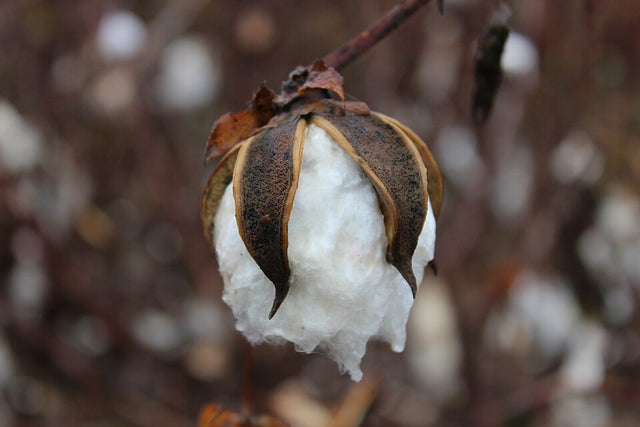
The soft fiber that grows around the seeds in a cotton boll. It is breathable, absorbent and easy to wash, and it is the most widely used natural fiber in the world.
Tip: Prewash cotton the way you will wash the finished piece, since it can shrink 3 to 5 percent or more. Long-staple types such as Pima and Egyptian cotton are smoother and stronger.
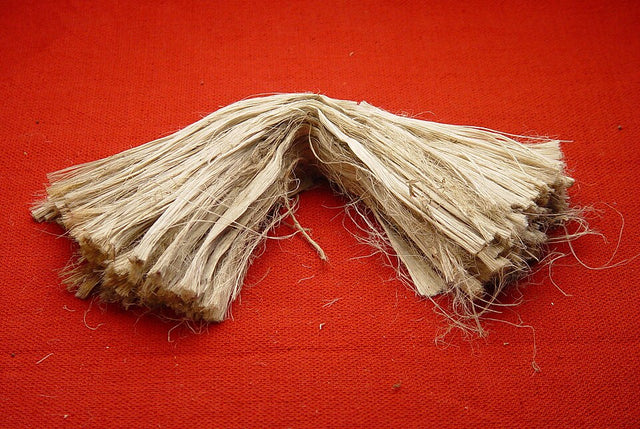
A lustrous, very strong stem fiber from a plant in the nettle family, also called China grass. It looks like linen, holds its shape and is often blended with cotton.
Source
Stem fiber of the ramie plant
Strengths
Lustrous, strong, quick-drying, resists mildew
Watch for
Stiff; can break along sharp folds
Care
Machine wash gently
Found in
Linen-look shirts, summer blends, table linens
Tip: Ramie can break where it is folded again and again, so avoid pressing sharp creases into it and roll it for storage.
Protein fibers from fleece, hair and silkworms. They are warm, springy and luxurious, and most need gentle care.
Alpaca
Fleece from alpacas, raised mainly in the Andes of Peru and Bolivia. It is warm, light and silky, and it has no lanolin, so many people find it less itchy than wool.
Source
Alpaca fleece
Strengths
Warm, light, silky, lanolin-free
Watch for
Drapes heavily and can stretch
Care
Hand wash cool; dry flat
Found in
Sweaters, scarves, coating, blankets
Tip: Alpaca knits grow with wear, so stabilize shoulders and necklines with tape.
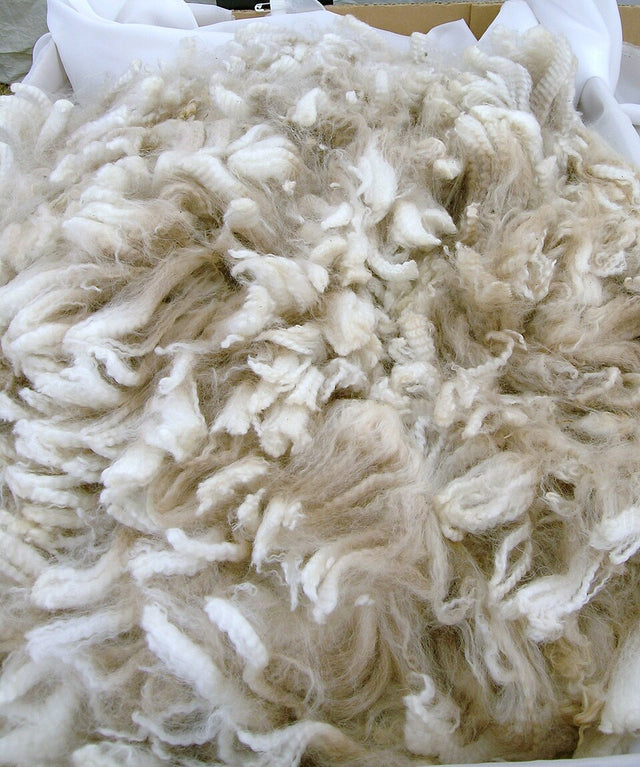
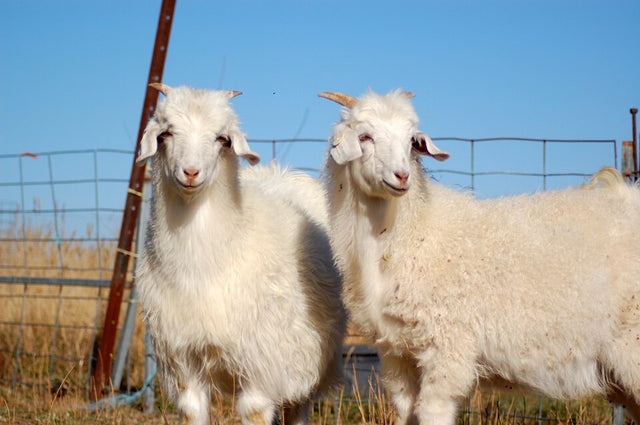
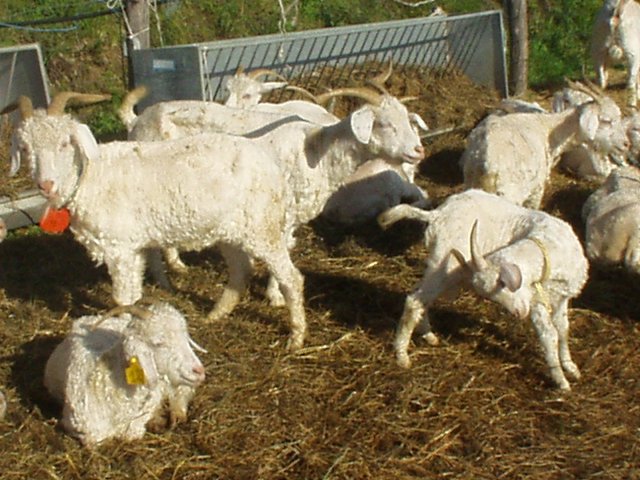
The soft, fine undercoat of cashmere goats, combed or shorn in spring. Each goat gives only a small amount a year, which is why cashmere costs more than wool.
Source
Undercoat of cashmere goats
Strengths
Very soft, light, warm
Watch for
Pills; delicate
Care
Hand wash cool or dry clean; dry flat
Found in
Sweaters, scarves, shawls, coating blends
Tip: Cashmere is often blended with wool for strength and price. Press with a cloth and low steam, and store knits folded, not hung.
Most bamboo fabric is viscose made from bamboo pulp, so it behaves like rayon: soft, drapey and absorbent. In the US it has to be labeled as rayon or viscose made from bamboo.
Source
Bamboo pulp cellulose
Strengths
Very soft, drapey, absorbent, cool to the touch
Watch for
Shrinks; weak when wet
Care
Machine wash cool, gentle; line dry
Found in
Jersey, baby clothes, socks, towels, sleepwear
Tip: Sew bamboo jersey like other rayon knits: prewash it, cut in a single layer and use a stretch needle.
A regenerated fiber made from cotton linter, the short fuzz left on cotton seeds. It feels like silk, breathes well and resists static, which makes it a favorite for premium linings. Bemberg is a well-known brand.
Source
Cotton linter cellulose
Strengths
Silky, breathable, anti-static, drapey
Watch for
Frays and slips
Care
Hand wash cool or dry clean
Found in
Jacket and coat linings, blouses, slips
Tip: Cupro frays easily: cut with a rotary cutter and finish seams right away.
Lyocell (Tencel)
A rayon made by dissolving wood pulp in a solvent that is recovered and reused in a closed loop. It is strong, smooth and breathable. Tencel is a brand name for lyocell.
Source
Wood pulp cellulose
Strengths
Strong wet or dry, smooth, breathable, absorbent
Watch for
Rough washing can make the surface look worn
Care
Gentle wash, inside out
Found in
Shirts, denim blends, rib knits, sheets, linings
Tip: Wash lyocell inside out on a gentle cycle to keep its surface smooth, and press with medium heat.
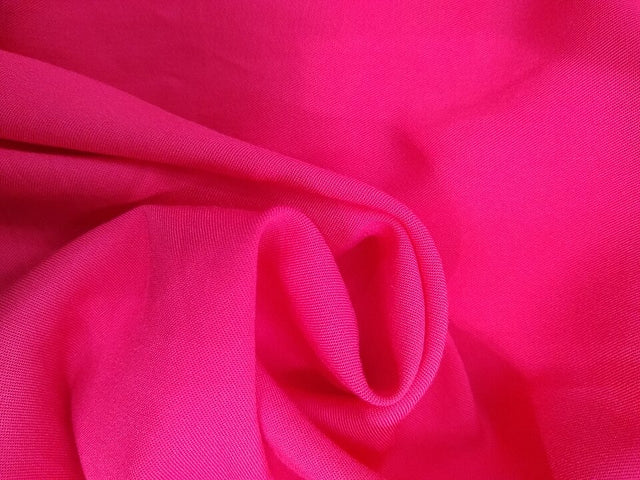
The original regenerated fiber, made from wood pulp dissolved with chemicals and spun into new fibers. It is soft, breathable and drapes like silk at a much lower price.
Source
Wood pulp cellulose
Strengths
Soft, drapey, breathable, takes dye brightly
Watch for
Shrinks and weakens when wet; wrinkles
Care
Gentle wash cool; dry flat
Found in
Challis, linings, blouses, dresses, jersey
Tip: Prewash rayon the way you will wash the garment, because it can shrink a lot, and handle it gently while wet.
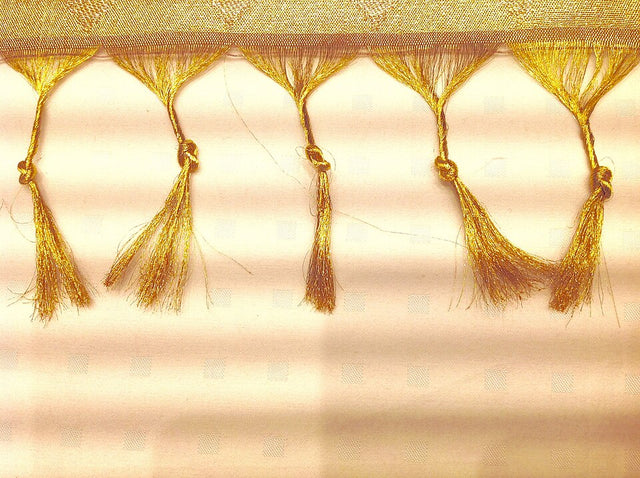
Yarn with a metallic look, usually a thin metallized polyester film wrapped around a core thread. Real gold and silver thread, such as traditional zari, is still used for luxury textiles.
The most used fiber in the world, made from PET, the same polymer as plastic bottles. It is strong, wrinkle-resistant and quick-drying, and recycled polyester is often made from used bottles.
Source
PET polymer, from petroleum or recycled bottles
Strengths
Strong, durable, wrinkle-resistant, dries fast
Watch for
Doesn't breathe; holds odors; melts under a hot iron
Care
Machine wash warm; low heat
Found in
Linings, fleece, satin, thread, outdoor fabric
Tip: All-purpose polyester thread is strong and has a little give, so it suits most fabrics, including knits.
A polyurethane fiber that can stretch to five or more times its length and spring back. It is blended in small amounts, usually 2 to 20 percent, to give other fabrics stretch. Lycra is a brand name.
No label? A burn test on a small snippet gives a good clue. Work over a sink or a metal dish with water nearby, away from anything flammable, and hold the snippet with tweezers.
Fiber
In the flame
Smell
What is left
Cotton, linen, rayon
Burns quickly with an afterglow
Burning paper
Soft gray ash
Wool, silk, alpaca
Burns slowly and tends to go out on its own
Burning hair
Dark ash that crushes easily
Polyester, nylon, acrylic
Shrinks from the flame, then melts and drips
Chemical or sweet
Hard bead that does not crush
Blends
Mixed
Mixed
Ash with hard bits if a synthetic is in the blend
How to sew by fiber
Prewash natural and regenerated fibers the way you will wash the finished piece: cotton, linen and rayon can all shrink.
Match the iron: high heat for cotton and linen, medium with a press cloth for wool and silk, and low for synthetics and acetate.
Blends act like their most delicate fiber: a polyester-cotton blend needs the lower iron setting.
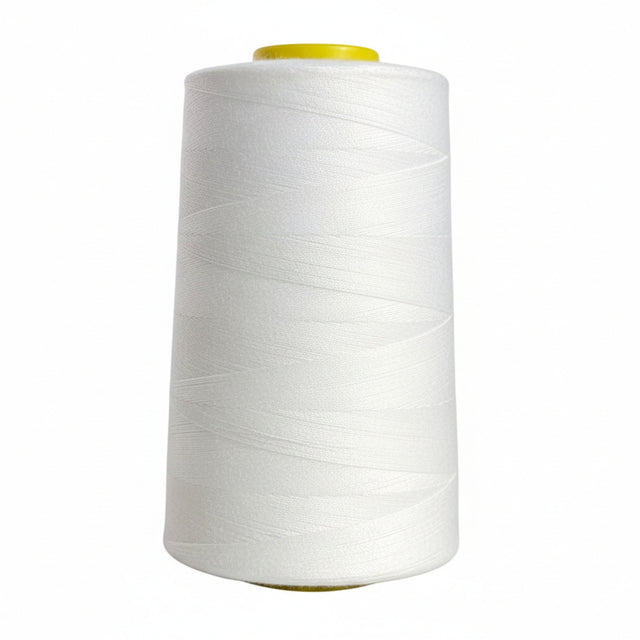
Thread: all-purpose polyester thread suits most fabrics; use cotton thread for heirloom cotton or pieces you plan to dye.
Care labels: see our fabric care guide for washing and storing each fiber.
What is the difference between natural and synthetic fibers?
Natural fibers come from plants, such as cotton and linen, or animals, such as wool and silk. Synthetic fibers such as polyester and nylon are made from polymers, mostly from petroleum. Regenerated fibers such as viscose and lyocell sit in between: natural cellulose turned into fiber in a factory.
Is rayon natural or synthetic?
Neither, exactly. Rayon, including viscose, modal and lyocell, is made from natural cellulose, usually wood pulp, but it is processed chemically into fiber, so it is called regenerated or semi-synthetic.
Which fiber is the most breathable?
Linen and cotton breathe best, followed by silk, wool and the rayons. Polyester and nylon breathe least unless they are knitted into open mesh or given a moisture-wicking finish.
What is the warmest fiber?
For their weight, wool and especially cashmere and alpaca are the warmest natural fibers. Polyester fleece is a light, warm synthetic alternative.
How can I tell what fiber a fabric is?
Check the label or the end of the bolt first. If there is none, a burn test on a small snippet gives a good clue: plant fibers and rayon burn like paper, animal fibers smell like burning hair and synthetics melt into a hard bead.
🧵 Which fabric should we stock next?
See a fabric here that we don't carry yet, or can't find the one you need? Tell us what it is. We read every answer and use it to choose the fabrics we add next.
Thank you! We read every fabric wish.
About the photos: photos credited to Wikimedia Commons are used under the licenses linked under each photo, and are resized and may be cropped to fit. Photos marked KAHANNE show products from our store. Cards marked Illustration show drawn swatches, not photos.